會員登入
 註冊

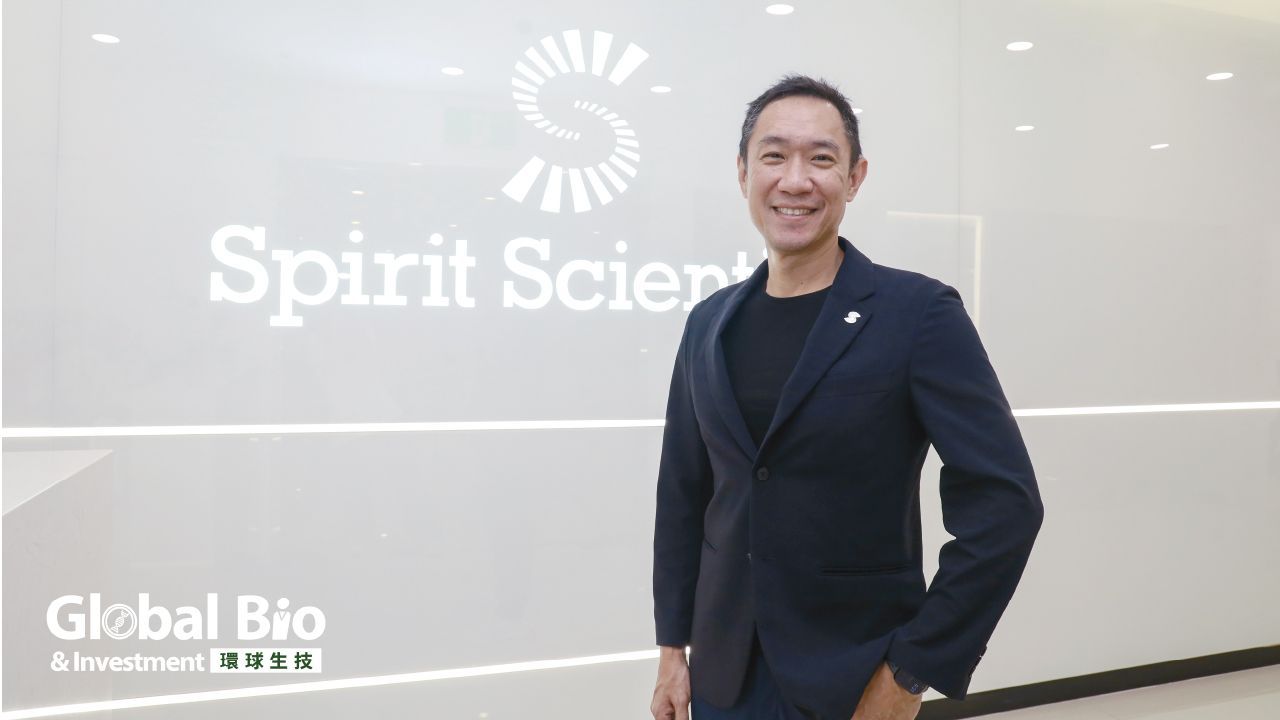


On October 30, Spirit Scientific (TPEx: 7790) announced that the laboratory of its Japanese subsidiary, Spirit Scientific Japan Co., Ltd., located in Ariake, Tokyo, has passed inspection by Japan's Pharmaceuticals and Medical Devices Agency (PMDA). On October 26, the facility obtained a manufacturing permit for specified processed cells issued by the Kanto-Shin'etsu Regional Bureau of Health and Welfare under the Ministry of Health, Labour and Welfare (MHLW).
Steven D. Lin, Founder and Chairman of Spirit Scientific, stated that both laboratories in Taiwan and Japan were planned and designed in-house by the company, adhering to the same design philosophy and quality system. Following the Taiwan Xizhi facility's passage of PMDA's overseas facility inspection in November 2025, the Tokyo, Japan facility has now obtained its manufacturing permit. This demonstrates that Spirit Scientific's Biofoundry™ platform model can be replicated internationally, enabling all locations to maintain consistently high quality standards.
Spirit Scientific established its Japanese subsidiary in February 2023. Construction of the Tokyo Ariake laboratory was completed at the end of 2024, and trial operations began in May 2025. This year, the Japanese subsidiary officially enters a new phase of being qualified for manufacturing and accepting orders.
Under Japan's Act on the Safety of Regenerative Medicine (ASRM), Spirit Scientific is qualified to accept entrustments from Japanese medical institutions to prepare specified cell products such as platelets and cells. Currently, the Japan team is in discussions with physicians from relevant medical specialties to collaborate with medical institutions in Tokyo, aiming to introduce its high-concentration platelet lyophilization (PLT) preparation service—which has accumulated over 50,000 cases in Taiwan—into Japan.
Spirit Scientific noted that its proprietary BMLT® technology can transform biomaterials into highly stable lyophilized forms, with every process managed under pharmaceutical-grade standards. Beyond the future preparation services related to regenerative medicine, the Japanese subsidiary has also officially begun accepting biomaterial contract manufacturing orders this year, helping clients address the key challenges of preserving bioactivity and cold-chain transportation.