會員登入
會員登入 註冊
註冊


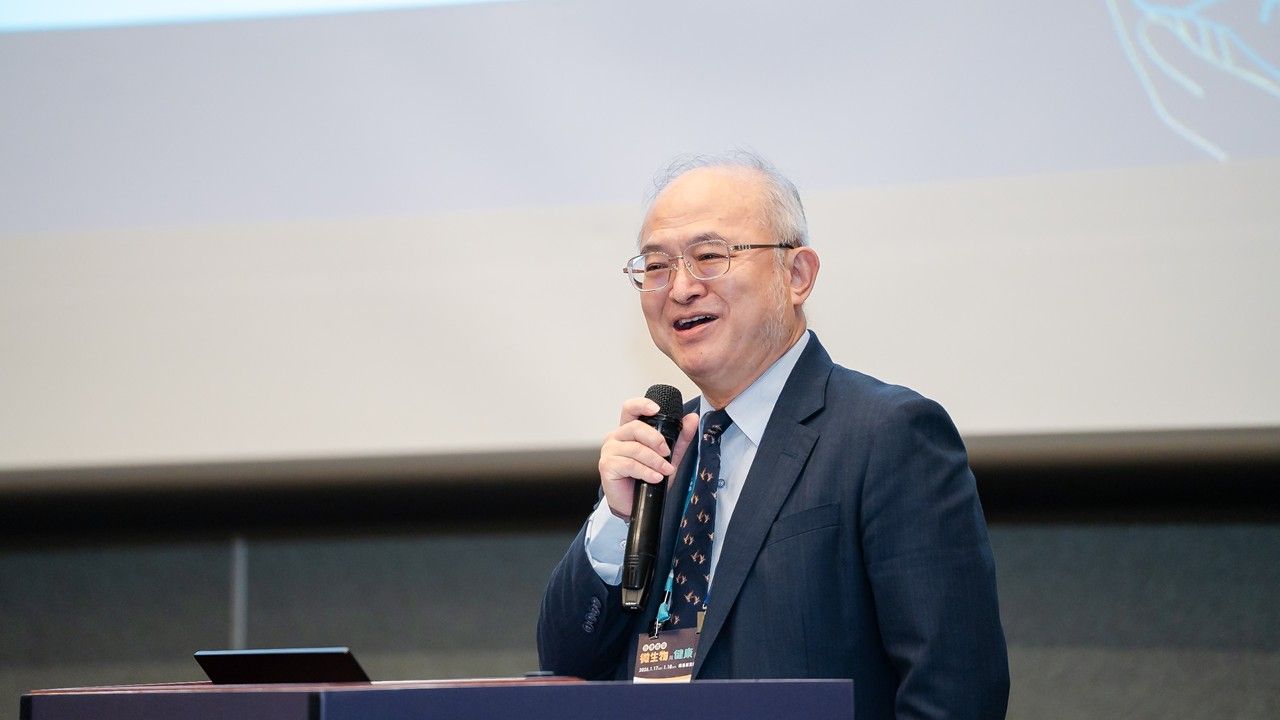 Dr. Ming-Shiang Wu, Chair of the Microbiome Conference and Dean of the College of Medicine, National Taiwan University (Photo Credit: Organizer)
In his opening remarks, Dr. Ming-Shiang Wu noted that the Asia Microbiome Conference, organized and sponsored by BIOTOOLS, has reached its tenth year since its launch in 2016. Building on this foundation, the expanded Microbiome Meeting aims to position Taiwan as an Asian hub for microbiome research, therapeutics, and diagnostics by fostering an ecosystem that spans public health, medicine, agriculture, and the environment. He emphasized that this ambition reflects not only a milestone for Taiwan but also a shared regional vision for advancing microbiome science and translation in Asia.
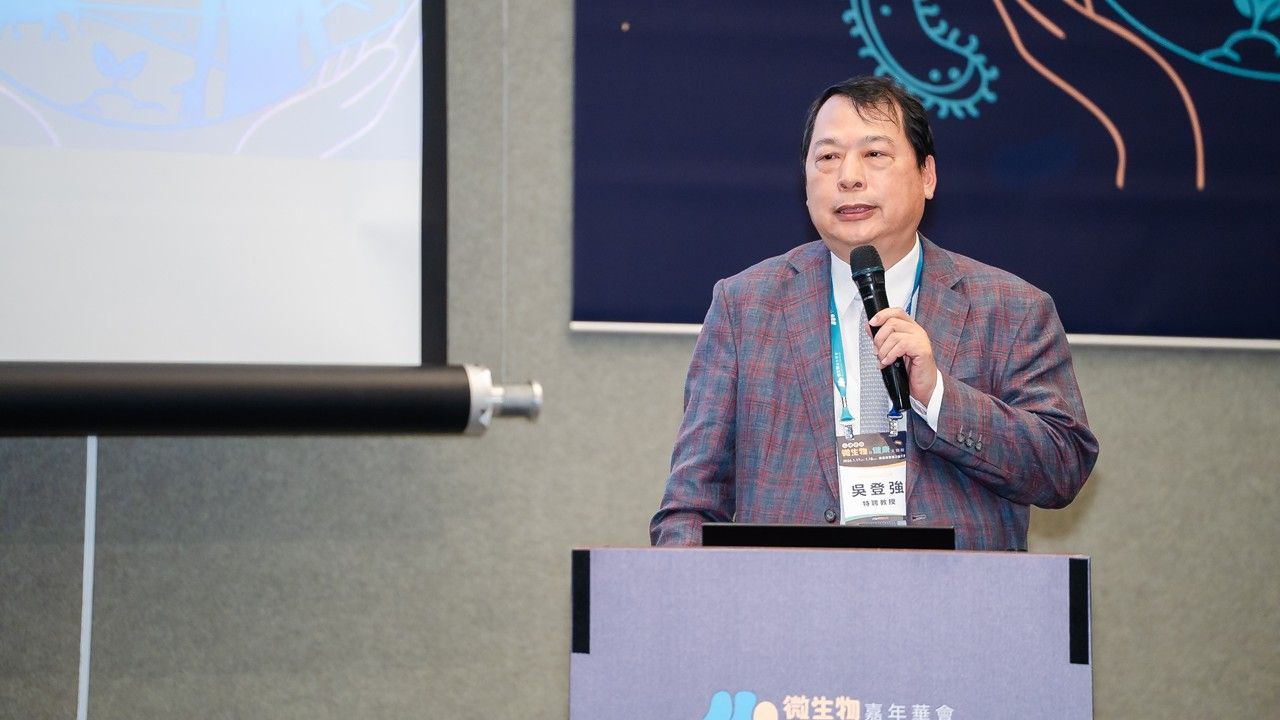
Professor Deng-Chyang Wu, Program Chair, Kaohsiung Medical University (Photo Credit: Organizer)
As program chair, Professor Deng-Chyang Wu of Kaohsiung Medical University introduced the National Science and Technology Council initiative, "Research and Application Program for the Role of the Microbiome in Precision Health." The program brings together 16 leading microbiome research groups, spanning basic microbiology and clinical studies in areas such as colorectal cancer, autism, liver diseases, Parkinson's disease, and pediatric health.
Professor Wu explained that the initiative is built on three pillars—AI, clinical medicine, and real-world implementation—to accelerate translation from discovery to clinical practice. He also emphasized the microbiome's role within the One Health framework, linking human health to animal, environmental, and ecosystem health. He expressed hope that Taiwan will play a leading role in shaping research priorities.
This year, the conference invited two internationally recognized leaders to deliver keynote lectures on how the microbiome connects diet with health: Professor Peer Bork (Interim Director General, European Molecular Biology Laboratory [EMBL]) and Professor Rob Knight (University of California, San Diego), co-director of the Earth Microbiome Project and founder of the American Gut Project.
At the opening ceremony, Professor Wu shared the sad news that Professor Peer Bork had passed away shortly before the event, and he led the audience in a moment of silence. Professor Bork made foundational contributions to bioinformatics and metagenomics, improving our understanding of the human and animal microbiome.
Rob Knight: From Environmental Microbiomes to the Human Gut—How the Microbiome Shapes Diet, Mood, and Chronic Disease Risk
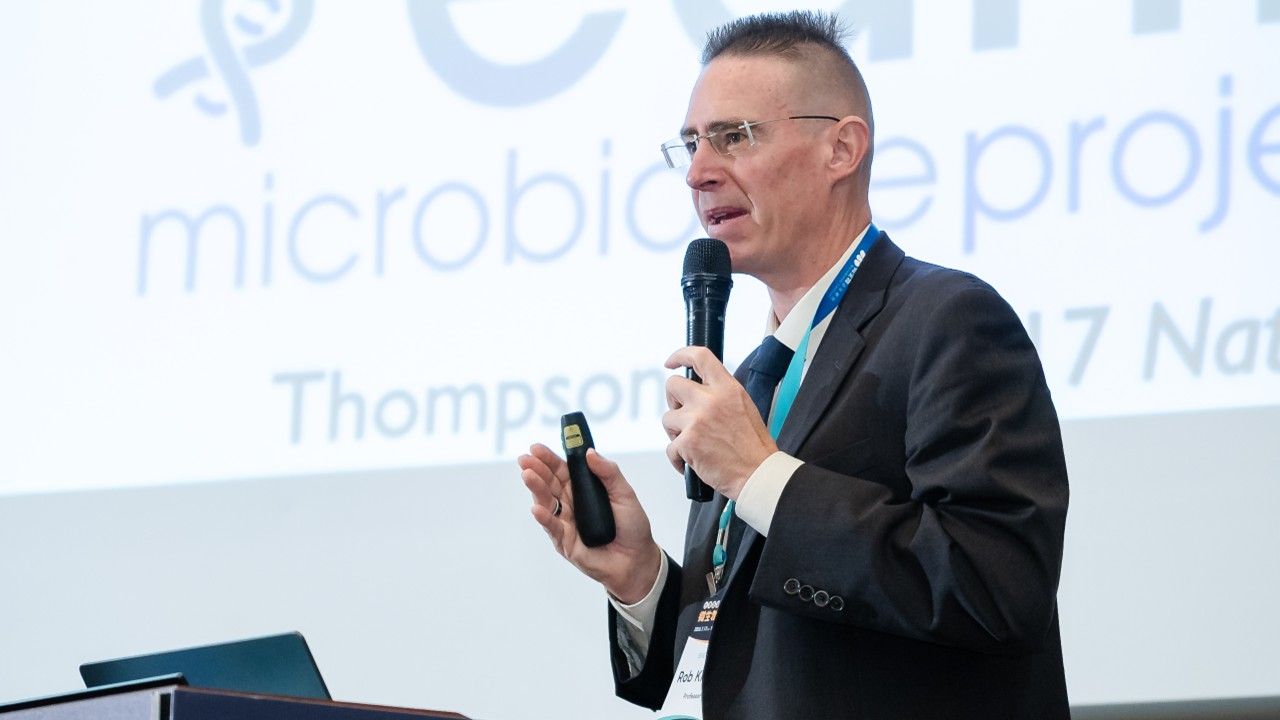 Professor Rob Knight, University of California, San Diego; Co-Director of the Earth Microbiome Project, founder of the American Gut Project. (Photo Credit: Organizer)
In the first keynote session, Professor Knight discussed how diet interacts with the microbiome to influence health. Moving beyond the familiar idea that "you are what you eat," he emphasized that food is also a complex chemical input that can modulate host biology and microbial metabolism, as initially proposed by Jeff Bland, the founder of the Personalized Lifestyle Medicine Institute. For example, phytochemicals (e.g., carotenoids and anthocyanins) can affect host signaling pathways and are also transformed by gut microbes into bioactive metabolites.
Professor Knight highlighted growing evidence that diets high in ultra-processed foods are associated with higher cardiometabolic risk and that dietary patterns may influence mental well-being. He cited a randomized controlled trial in major depressive disorder in which a Mediterranean diet achieved higher remission rates than a control intervention (social support) (32% vs. 8%).
Looking ahead, Professor Knight suggested that AI-enabled digital twins could help predict individualized dietary responses, supporting the transition from genomic interpretation to nutrigenomics and precision nutrition. However, he emphasized that identifying "what to eat" remains an open scientific challenge and will likely require integrating microbiome, metabolomic, and clinical data.
Professor Knight argued that the microbiome offers a practical lever for health interventions. While the human body contains approximately 20,000 genes, the microbiome encodes millions of genes. In this view, sustained changes in diet, lifestyle, or medication may shift microbial community structure and function—often with a lower risk than direct genomic manipulation.
In 2008, Professor Knight developed an innovative PCR primer design method that allowed the simultaneous amplification of hundreds of samples, which could then be pooled and processed in a single next-generation sequencing run. His research team has analyzed millions of microbial samples, including lung samples from cystic fibrosis patients, river and air samples from across North America, and low-biomass environmental samples collected during the COVID-19 pandemic. Together with rapidly falling sequencing costs, these advances supported large-scale efforts such as the Earth Microbiome Project and the Human Microbiome Project.
Rob Knight Calls for International Collaboration to Build Region-Specific Microbiome and Food Databases
Running from 2007 to 2012, the Human Microbiome Project (HMP) generated reference datasets across multiple body sites and catalyzed the development of standardized analytical pipelines and visualization tools, including QIIME. These tools enable quality control, taxonomic profiling, and distance-based ordination, helping researchers compare microbiome communities across samples.Using these approaches, the HMP showed that the microbiome compositions of the mouth, skin, vagina, and gut are highly distinct. Comparative work has also suggested that variations among body sites can be as large as some differences observed across distinct environmental habitats.
In 2012, Professor Knight and colleagues launched the American Gut Project to expand microbiome research through citizen science. Large cohorts have shown that people who eat a more diverse range of plant foods tend to have greater gut microbial diversity.
Professor Knight also described work with food-associated microbiomes (e.g., Global FoodOmics), which highlighted that microbes detected in foods differ substantially from those found in stool. While many food-associated microbes may be transient, food can still influence the gut ecosystem through microbial exposure and metabolite production, including via bile acid pathways.
Dr. Knight cited a 2011 study linking gut microbial community types (enterotypes) to long-term dietary patterns, noting that short-term dietary changes can shift the microbiome within days but may not readily switch an individual's enterotype during brief interventions, underscoring the importance of sustained, personalized strategies. As one example from the quantified-self community, Larry Smarr longitudinally tracked blood and stool biomarkers—including gut microbiome profiles—alongside lifestyle changes, reporting concurrent improvements in metabolic health indicators.
Finally, Professor Knight discussed the possible link between microbial metabolism, glucose regulation, and brain health. He emphasized that metabolic dysregulation is a potential risk factor for cognitive decline; accordingly, some researchers have described Alzheimer's disease as "type 3 diabetes" to underscore evidence of brain insulin resistance and impaired cerebral glucose metabolism in Alzheimer's pathophysiology. Given substantial differences in diets and microbiomes across populations and regions, he called for international collaboration—including with Taiwan—to build region-specific microbiome and food reference databases.
Plenary Sessions, Public Engagement, Innovation Competitions, and Industry Expo Showcase Microbiome Diversity and Function
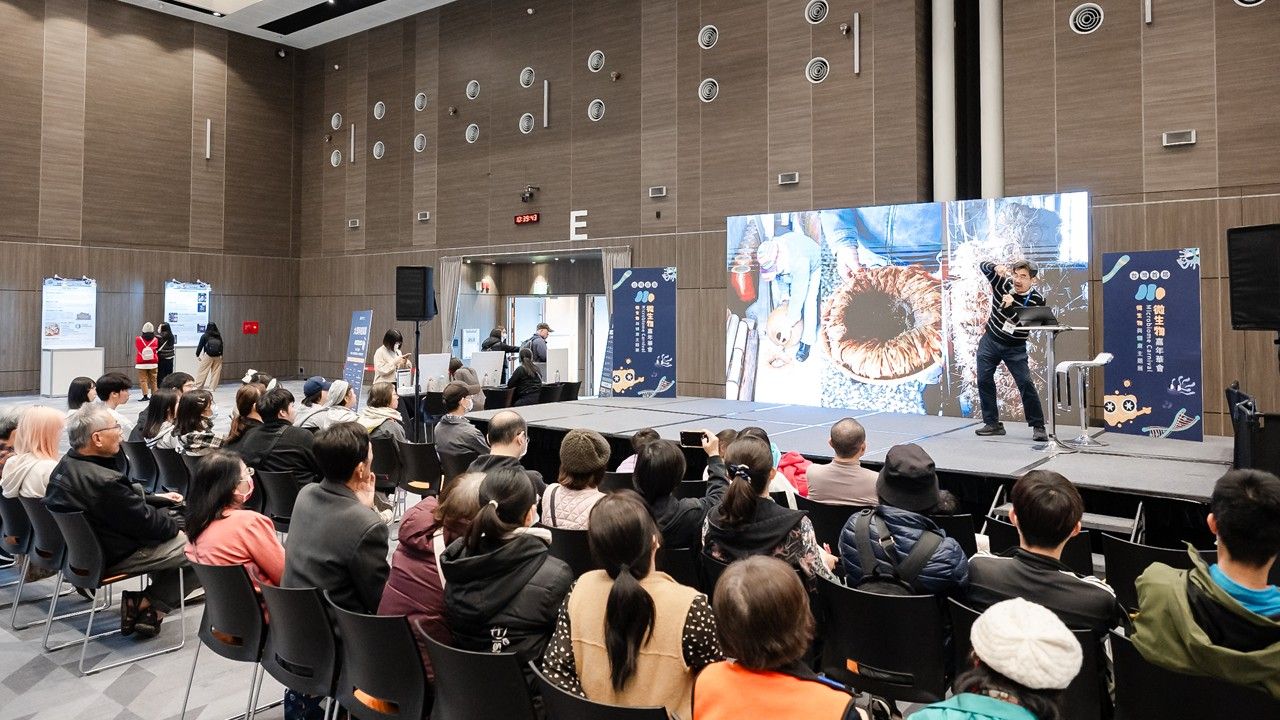
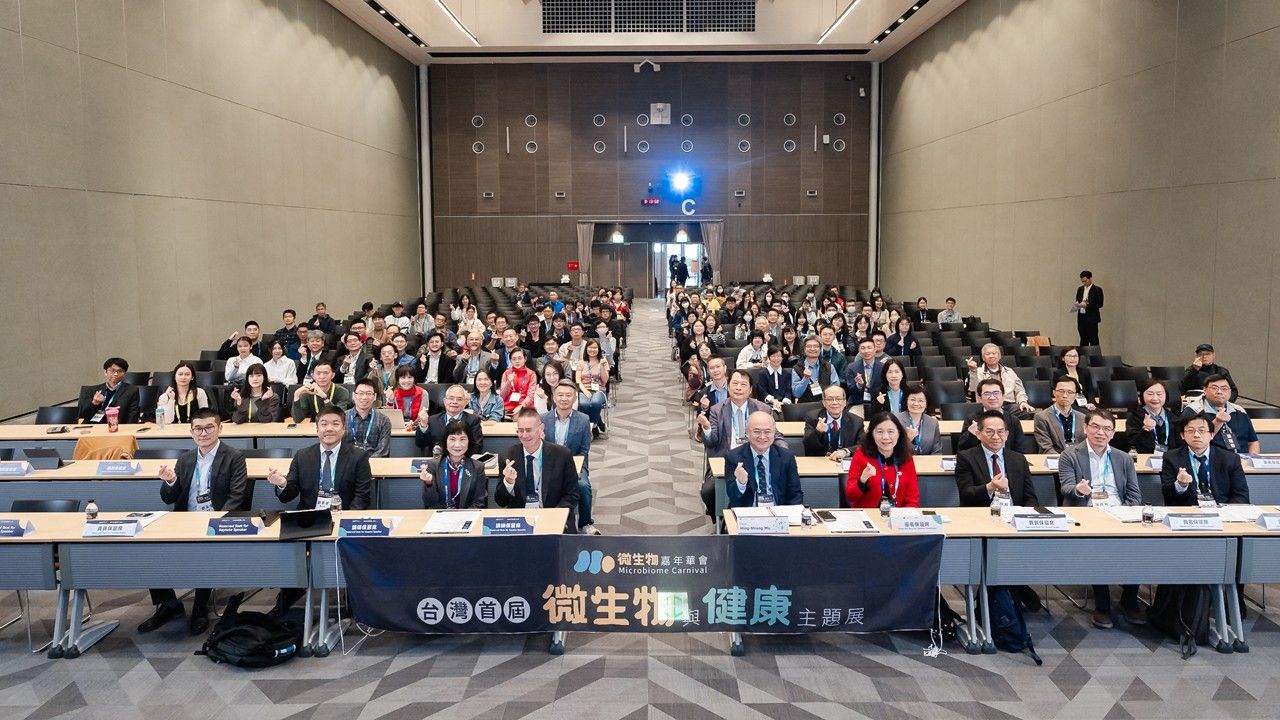
(Photo Credit: Organizer)
Following the keynote lectures, 12 plenary addresses showcased diverse microbiome applications, including big data and AI, environmental microbiomes, probiotics, translational medicine, pollution remediation and resource regeneration, marine microbiomes, animal and human health, industry–academia innovation, clinical validation and market challenges, net-zero technologies, safe agriculture, and feed microbiomes.
Outside the main venue, the Microbiome and Health Expo integrated industry, public science, and education to convey the microbiome's relevance to the broader community. Booths featured companies and organizations focused on probiotics, precision diagnostics, analytical instruments, genetic testing services, and scientific equipment, reagents, and services.
Six public science talks addressed topics such as the human microbiome and health, male sexual well-being, weight management, nutrition, beer fermentation, and environmental microbiology. Attendees also participated in hands-on activities, including science challenges and workshops, that connected microbiome concepts to everyday life and personal health.
The Second Annual Microbiome Innovation Competition was held concurrently, with ten teams presenting microbiome-related projects and competing in the finals for prizes totaling 1 million TWD. The Grand Prize went to "Intestinal Health Check— Colorectal Cancer Risk Detection Technology," followed by "Biodegradable Plastics" (Second Prize), and "Smart Wound μBeads: A Smart Wound Dressing Platform Integrating Bacterial Cellulose Microspheres with Self-Assembling Protein Nanocages" (Third Prize).
Ming-Shiang Wu: The Microbiome Conference Marks a Significant Milestone in the Development of Taiwan's Microbiology Industry
In his closing remarks, Dr. Wu described the Microbiome Conference as a milestone for Taiwan's microbiome community and thanked the co-organizers and industry partners for making the event possible.
He emphasized that microbes play pivotal roles in sustaining ecosystems, advancing medical innovation, and shaping future therapies. He expressed hope that ongoing cross-disciplinary exchanges among clinicians, researchers, educators, and industry leaders will continue to catalyze new ideas and collaborations.
Finally, Professor Wu noted that hosting a world-class event of this scale is an important step toward strengthening microbiome research and its real-world applications in Taiwan. Looking forward, he said he hopes Microbiome Conferences will continue to grow and gain visibility on the global stage.
(Reporters / Lydia Lee, Pei-An Wu, Alice Peng)
編輯推薦
- 從芽孢桿菌到蟲生真菌!五大專家揭微生物安全農業應用突破
- 從NGP到碳信用!賴信志、楊禮亘、黃彥臻解析產學新創共創價值之道
- 養殖業進入「禁抗時代」!飼用微生物開啟農漁畜牧新解方
- 淨零科技新策略!專家提藻類碳捕、農業循環、永續燃料應用潛力
- 不只是益生菌!微生物產品從科學證據走向臨床、法規、市場落地
- 謝清河、劉志銘、黃雪莉揭微生物新線索!牽動心衰竭、肥胖、自體免疫等疾病
- 北中南五教授齊聚 揭微生物環境工程、能源轉換、生態保育、水產養殖最新應用!
- 國際微生物領袖Rob Knight:當微生物成為變數 醫療開始走出一體適用
- 功能微生物體學發威 失智、癌症、減重轉譯應用全面啟動!
- AI成科學家破譯工具 臨床鑑定、預測超級細菌、菌叢生態解析都靠它!
- 迎戰氣候逆境!黃姿碧、張皓巽、黃介辰提微生物農業韌性解方
- 三大益生菌權威齊聚! 吳明賢、潘子明、蔡英傑揭次世代精準醫學路徑
- 首屆微生物嘉年華會盛大登場!微生物權威Rob Knight來臺開講
- 【產業/招商】精準檢測高峰會 – 全台微生物檢測產業首次齊聚亮相
- 台灣首屆微生物與健康主題展——台灣十年成果登場,鏈結國際產學